The Comprehensive Guide to Animation and Motion Graphics for Sign Makers in Anaheim
Discover how animation and motion graphics can elevate your signage as a sign maker in Anaheim. Engage customers with dynamic visuals.
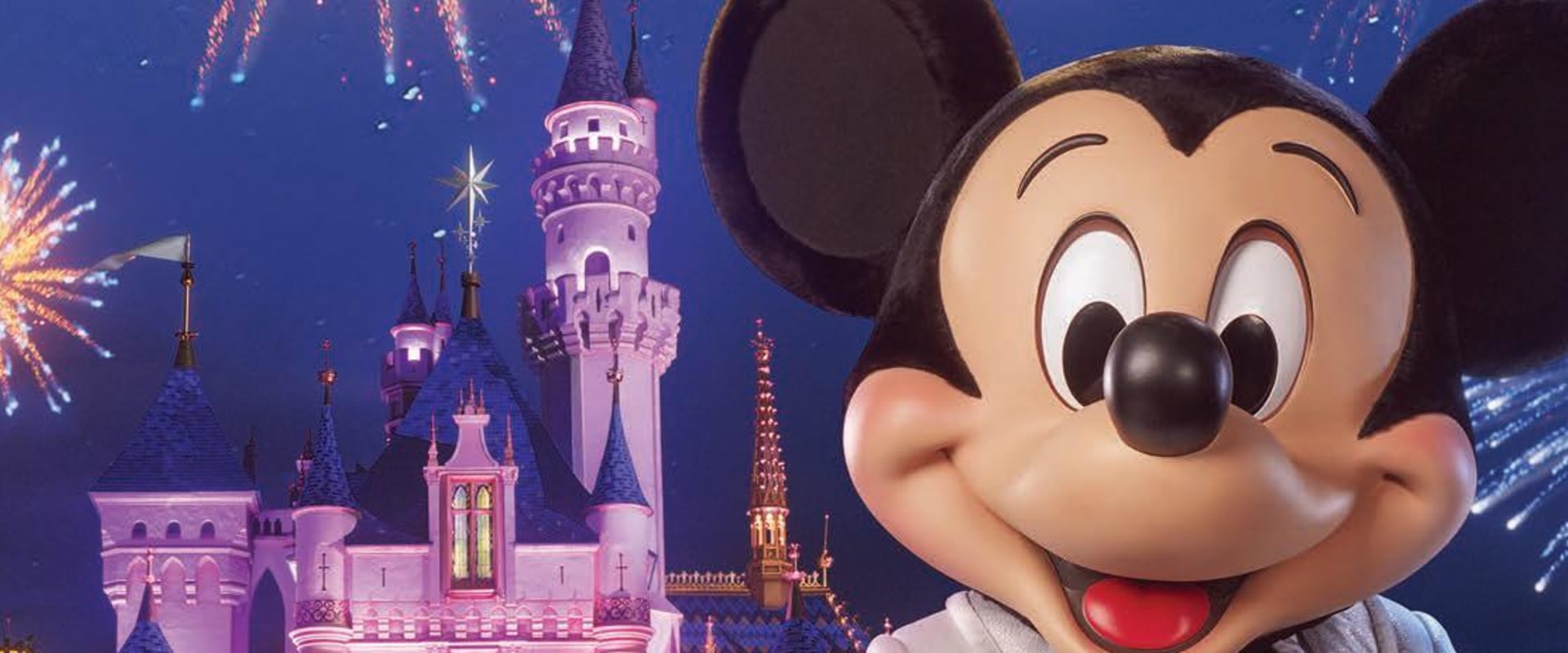
In the vibrant city of Anaheim, where businesses strive to capture the attention of both locals and tourists, the role of animation and motion graphics in signage has never been more critical. As a sign maker in Anaheim, understanding how to leverage these dynamic visual tools can set your business apart in a crowded marketplace. With the rise of digital signage, incorporating animated elements into your designs not only enhances aesthetic appeal but also significantly boosts engagement with potential customers. Animation refers to the technique of creating the illusion of movement through a series of still images, while motion graphics focuses on animating graphic elements like text and logos. Together, these techniques can transform static signs into captivating displays that draw the eye and convey messages effectively.
In an era where consumers are bombarded with information, having a sign that moves and interacts can be the difference between being noticed or overlooked. Moreover, the integration of animation and motion graphics into signage is not just about aesthetics; it’s about storytelling. Businesses can use animated signs to narrate their brand story, showcase products, or highlight promotions in a way that resonates with their audience. This is particularly important in Anaheim, where competition is fierce and businesses must find innovative ways to stand out. By utilizing these advanced techniques, sign makers can create memorable experiences that leave a lasting impression on viewers. As we delve deeper into this guide, we will explore various types of signs that can benefit from animation and motion graphics, as well as practical tips for implementing these techniques effectively.
Whether you are looking to enhance your existing offerings or are new to the world of digital signage, understanding the power of animation will equip you with the tools needed to elevate your business in Anaheim.
Understanding Animation and Motion Graphics
To effectively utilize animation and motion graphics in sign making, it is essential to first understand what these terms mean and how they differ from one another. Both play a significant role in creating engaging visual content that can captivate audiences and enhance the effectiveness of signage.What is Animation?
Animation refers to the technique of creating the illusion of movement by displaying a series of individual images or frames in rapid succession. This process can involve various styles, including traditional hand-drawn animation, 3D computer-generated imagery (CGI), and stop-motion techniques. The key aspect of animation is its ability to bring static images to life, allowing for storytelling and dynamic visual experiences. In the context of sign making, animation can be used to create lively digital displays that attract attention.
For instance, a sign maker in Anaheim might design an animated advertisement for a local event, where characters or elements move across the screen, drawing the eye of potential customers.
What are Motion Graphics?
Motion graphics, on the other hand, focus on adding movement to graphic elements such as text, logos, and illustrations. Unlike traditional animation that often involves character-driven narratives, motion graphics are primarily concerned with enhancing visual communication through movement. This can include transitions, text animations, and visual effects that make static graphics more engaging.
For sign makers, motion graphics can be particularly useful for creating animated logos or promotional messages that stand out in a crowded marketplace. By incorporating motion into their designs, sign makers can effectively convey information while maintaining viewer interest.
Differences Between Animation and Motion Graphics
- Focus: Animation often tells a story or conveys a narrative through character movement, while motion graphics emphasize enhancing existing graphic elements.
- Techniques: Animation may involve complex techniques like character rigging and frame-by-frame drawing, whereas motion graphics typically utilize simpler techniques such as keyframing and layering.
- Application: Animation is commonly used in films and video games, while motion graphics are frequently employed in advertising, branding, and digital signage.
By knowing when to use each technique, sign makers can create visually compelling signs that not only attract attention but also communicate their message clearly and effectively.
Types of Signs Enhanced by Animation and Motion Graphics
In the realm of sign making, animation and motion graphics can significantly enhance various types of signs, making them more engaging and effective in capturing attention. Below, we explore several key types of signs that can benefit from these dynamic techniques.Digital Signs
Digital signs are at the forefront of modern advertising, utilizing LED or LCD technology to display vibrant, animated content. These signs are particularly effective in high-traffic areas where they can attract the attention of passersby. By incorporating animation, digital signs can: Digital signs are at the forefront of modern advertising, utilizing LED or LCD technology to display vibrant, animated content. These signs are particularly effective in high-traffic areas where they can attract the attention of passersby. By incorporating animation, digital signs can:- Showcase Promotions: Animated graphics can highlight special offers or events, making them more noticeable.
- Engage Audiences: Movement draws the eye; thus, animated elements can keep viewers engaged longer than static images.
- Convey Information: Dynamic text and graphics can effectively communicate messages in a concise and visually appealing manner.
Animated Banners
Animated banners are another powerful tool for sign makers.These banners can be used for events, sales, or general branding purposes. The benefits of using animation in banners include:
- Increased Visibility: Movement in banners captures attention quickly, especially in crowded environments.
- Enhanced Storytelling: Animation allows for a narrative to unfold over time, making the message more memorable.
- Versatility: Animated banners can be easily adapted for various platforms, including social media and websites.
Logo Animations
A logo is often the first impression a customer has of a brand. By animating a logo, businesses can create a more dynamic representation of their identity. The advantages of logo animations include:- Brand Recognition: An animated logo can make a brand more memorable and distinctive.
- Professional Appeal: A well-crafted animation adds a level of sophistication that can enhance brand perception.
- Versatile Usage: Animated logos can be used across various media, from websites to video content, ensuring consistent branding.
For sign makers in Anaheim, embracing these techniques is essential for staying competitive and capturing the attention of potential customers.
The Benefits of Using Animation in Sign Making
Incorporating animation into signage offers a multitude of benefits that can significantly enhance the effectiveness of your marketing efforts. For sign makers in Anaheim, understanding these advantages is crucial for creating compelling visual content that resonates with potential customers.1.Captivating Attention
One of the primary benefits of using animation in signage is its ability to capture attention. In a bustling environment like Anaheim, where businesses compete for visibility, animated signs stand out from traditional static displays. The movement draws the eye, making it more likely that passersby will notice your sign.
This is particularly important in high-traffic areas where quick impressions can lead to increased foot traffic.
2.Effective Message Conveyance
Animation allows for the dynamic presentation of information, making it easier to convey complex messages quickly and effectively. For instance, an animated sign can illustrate a process or highlight key features of a product in a way that static text cannot. This capability is especially beneficial for businesses that need to communicate promotions or special offers succinctly.
3.Enhanced Brand Recognition
Using motion graphics in your signage can also enhance brand recognition. Animated logos or taglines create memorable impressions that linger in the minds of viewers.
When customers associate your brand with engaging visuals, they are more likely to remember it when making purchasing decisions. Consistent use of animated elements across various platforms can further solidify your brand identity.
4.Increased Engagement
Animated signs encourage viewer interaction and engagement. For example, a digital sign featuring an animation that changes based on viewer proximity can create a sense of involvement and curiosity. This interactive element not only captivates attention but also fosters a connection between the customer and the brand.
5.Versatility Across Platforms
Another significant advantage of animation is its versatility.
Animated content can be adapted for various formats, including social media, websites, and email marketing campaigns. This cross-platform capability ensures that your message remains consistent and impactful, regardless of where it is viewed. In conclusion, the benefits of incorporating animation into signage are clear: from capturing attention and conveying messages effectively to enhancing brand recognition and increasing engagement. For sign makers in Anaheim looking to elevate their offerings, embracing animation and motion graphics is not just an option; it’s a necessity in today’s competitive landscape.
Essential Tools and Software for Creating Animation and Motion Graphics
When it comes to creating captivating animations and motion graphics for signs, having the right tools and software is essential. The market is filled with various options, each catering to different skill levels and project requirements.Below, we explore some of the most popular software choices that sign makers in Anaheim can utilize to enhance their designs.
1.Adobe After Effects
Adobe After Effects is a leading software in the animation and motion graphics industry. It offers a comprehensive suite of tools for creating stunning visual effects and animations. With its user-friendly interface, sign makers can easily manipulate graphics, add effects, and create dynamic animations that will make their signs stand out.-
Key Features:
- Extensive library of plugins and templates
- Advanced compositing capabilities
- Integration with other Adobe products like Photoshop and Illustrator
- Best For: Professionals looking for high-quality animations and effects.
2.Blender
Blender is a powerful open-source 3D creation suite that supports the entirety of the 3D pipeline, including modeling, rigging, animation, simulation, rendering, compositing, and motion tracking. Its versatility makes it an excellent choice for sign makers who want to incorporate 3D elements into their designs.-
Key Features:
- Robust modeling tools
- Real-time rendering capabilities
- Active community support and extensive tutorials
- Best For: Those interested in 3D animation and looking for a cost-effective solution.
3.Cinema 4D
Cinema 4D is another popular choice among motion graphic artists.Known for its intuitive interface and powerful features, it allows users to create complex animations with ease. Its integration with Adobe After Effects makes it a favorite among professionals.
-
Key Features:
- User-friendly interface with drag-and-drop functionality
- Advanced rendering options including physical rendering
- Seamless integration with Adobe products
- Best For: Professionals seeking high-end motion graphics capabilities.
Choosing the Right Software
Selecting the right software depends on several factors:- Your Skill Level: Beginners may prefer user-friendly options like Adobe After Effects or Blender, while advanced users might opt for Cinema 4D.
- Your Project Needs: Consider whether you need 2D or 3D capabilities, as well as the complexity of your animations.
- Your Budget: While some software like Blender is free, others like Adobe After Effects require a subscription. Evaluate your budget before making a decision.
Fundamental Principles of Animation to Master
To create captivating animations and motion graphics for signs, understanding the fundamental principles of animation is essential. These principles not only enhance the visual appeal of your designs but also ensure that your animations communicate effectively with your audience.Here are some key concepts to master:
Timing in Animation
Timing refers to the speed and rhythm of an animation. It plays a crucial role in how an audience perceives movement. Proper timing can evoke different emotions and reactions. For instance, a fast-paced animation can create excitement, while slower movements can convey calmness or seriousness. To achieve effective timing, consider the following:-
Frame Rate: The number of frames displayed per second (FPS) affects how smooth the animation appears.
A higher frame rate results in smoother motion.
- Keyframes: These are the main points in your animation where significant changes occur. Adjusting the timing between keyframes can create a sense of acceleration or deceleration.
- Anticipation: This principle involves preparing the audience for an action before it happens. For example, a character might lean back before jumping forward, creating a more believable movement.
Spacing in Motion Graphics
Spacing refers to the distance between frames or keyframes in an animation. It is vital for creating a sense of realism and fluidity.Proper spacing helps convey weight and momentum, making animations feel more natural. Here are some tips for mastering spacing:
- Ease In and Ease Out: This technique involves gradually accelerating at the beginning of a movement (ease in) and decelerating at the end (ease out). This creates a more organic feel to the motion.
- Follow Through: This principle suggests that when an object stops moving, other parts may continue to move due to inertia. For example, a swinging sign might continue to sway slightly after being stopped.
- Overlapping Action: Different parts of an object may move at different rates. For instance, when a character runs, their arms and legs will not move in perfect sync; this adds realism to the animation.
As a sign maker in Anaheim, incorporating these techniques into your designs will elevate your work and help you stand out in a competitive market.
Best Practices for Designing Animated Signs
Designing animated signs requires a thoughtful approach to ensure that the final product is not only visually appealing but also effective in conveying the intended message. Here are some best practices to consider when creating animated signs:-
Color Usage: The choice of colors plays a crucial role in attracting attention and evoking emotions. Use contrasting colors to make important elements stand out, but avoid overwhelming viewers with too many hues. Stick to a limited color palette that aligns with your brand identity.
For instance, if you are a sign maker in Anaheim, consider using colors that reflect the local culture or environment.
- Typography: The font you choose should be legible and appropriate for your audience. Avoid overly decorative fonts that may hinder readability, especially from a distance. Use bold typefaces for key messages and ensure that the text size is large enough to be read easily. Additionally, consider animating text in a way that enhances its visibility, such as fading in or sliding from the side.
-
Pacing of Animations: The speed at which your animations play can significantly impact viewer engagement.
Too fast, and the message may be lost; too slow, and viewers may lose interest. Aim for a balanced pacing that allows viewers to absorb the information without feeling rushed. A good rule of thumb is to keep animations between 3 to 5 seconds for key messages.
-
Clarity in Messaging: Ensure that your animated sign communicates a clear message. Avoid cluttering the design with excessive information or graphics.
Focus on one primary message per sign and use animation to highlight this message effectively. For example, if promoting a special offer, animate the discount percentage or call-to-action button to draw attention.
- Consistency: Maintain consistency across all animated signs you create. This includes using similar styles, colors, and fonts that align with your brand's visual identity. Consistency helps build brand recognition and trust among your audience.
-
Testing and Feedback: Before finalizing your animated sign, test it with a sample audience to gather feedback on its effectiveness.
Pay attention to how viewers respond to the animations and whether they understand the message being conveyed. Use this feedback to make necessary adjustments.
Case Studies: Successful Animated Signs in Anaheim
In the vibrant city of Anaheim, several businesses have successfully harnessed the power of animated signs to enhance their visibility and engage customers. These case studies illustrate how effective design and strategic implementation can lead to significant business growth.1.The Anaheim GardenWalk
The Anaheim GardenWalk, a premier shopping and entertainment destination, implemented a series of animated digital signs throughout its premises.These signs feature vibrant animations that highlight upcoming events, promotions, and special offers. The key to their success lies in:
- Dynamic Content: The signs display real-time updates, ensuring that visitors are always informed about the latest happenings.
- Visual Appeal: Bright colors and engaging animations draw attention from passersby, making it hard to miss.
- Strategic Placement: Positioned at high-traffic areas, these signs effectively capture the interest of both shoppers and tourists.
2.The Pizza Press
This popular eatery in Anaheim utilized animated signs to promote its unique offerings and create a lively atmosphere. Their animated menu boards feature mouth-watering visuals of their pizzas being made, which not only entices customers but also enhances their dining experience. Key factors contributing to their success include:- Storytelling: The animations tell a story about the freshness of ingredients and the pizza-making process, creating an emotional connection with customers.
- Brand Consistency: The animations align with the brand's playful and creative identity, reinforcing brand recognition.
- Customer Interaction: Interactive elements encourage customers to engage with the menu, leading to increased sales.
3.Disneyland Resort
No discussion of successful animated signage in Anaheim would be complete without mentioning Disneyland Resort.The resort employs a variety of animated signs throughout its parks to guide guests and promote attractions. Their success can be attributed to:
- Immersive Experience: The animations are designed to fit seamlessly into the magical atmosphere of Disneyland, enhancing the overall guest experience.
- Clear Communication: Animated directional signs help guests navigate the park efficiently, reducing confusion and improving visitor flow.
- Engagement: Interactive displays invite guests to participate in games or contests, further enriching their visit.
Future Trends in Animation and Motion Graphics for Sign Makers
As we look towards the future of animation and motion graphics in the signage industry, several key trends are emerging that sign makers in Anaheim should be aware of. These trends not only reflect advancements in technology but also shifts in consumer behavior and design preferences.1.Increased Use of Augmented Reality (AR)
One of the most exciting developments is the integration of augmented reality into signage.AR allows businesses to create interactive experiences that engage customers in a unique way. For instance, a sign could display a static image that, when viewed through a smartphone app, transforms into an animated 3D model or video. This level of interactivity can significantly enhance customer engagement and provide a memorable experience.
2.Personalization Through Data
With advancements in data analytics, sign makers can now create personalized signage that caters to specific audiences. By analyzing customer behavior and preferences, businesses can tailor their animated content to resonate more with their target demographic.This trend not only improves customer satisfaction but also increases the effectiveness of marketing efforts.
3.Sustainability in Design
As environmental concerns continue to grow, there is a noticeable shift towards sustainable design practices in signage. Sign makers are increasingly using eco-friendly materials and energy-efficient technologies for their animated signs. This includes LED displays that consume less power and recyclable materials for physical signs. Incorporating sustainability into design not only appeals to environmentally conscious consumers but also enhances brand reputation.4.Minimalist Aesthetics with Bold Animations
The design trend is moving towards minimalism, where less is more.However, this does not mean sacrificing impact. Sign makers are focusing on clean designs paired with bold animations that capture attention without overwhelming the viewer. This approach allows for clear messaging while still utilizing dynamic elements to draw in potential customers.
5.Integration of Artificial Intelligence (AI)
AI is set to revolutionize the way motion graphics are created and implemented in signage. From automating design processes to generating real-time content based on audience interaction, AI can streamline workflows and enhance creativity.For example, AI algorithms can analyze foot traffic patterns and adjust digital signage content accordingly, ensuring that the most relevant messages are displayed at peak times. In conclusion, staying ahead of these trends will be crucial for sign makers in Anaheim looking to innovate and remain competitive in the evolving landscape of animation and motion graphics. By embracing these advancements, businesses can create more engaging, personalized, and sustainable signage solutions that resonate with their audience.
Conclusion: Elevating Your Signage with Animation and Motion Graphics
In conclusion, the integration of animation and motion graphics into signage is not just a trend; it is a vital strategy for sign makers in Anaheim aiming to thrive in a competitive landscape. As we have explored throughout this guide, the dynamic nature of animated signs can significantly enhance visibility and engagement, making them an essential tool for businesses looking to attract attention. By leveraging the power of animation , sign makers can create captivating visuals that tell a story or convey a message in a way that static signs simply cannot. The ability to animate text, logos, and images allows for greater creativity and expression, enabling businesses to showcase their brand personality effectively. Moreover, the various types of signs that can benefit from these techniques—ranging from digital displays to animated banners—offer endless possibilities for customization.Each type serves a unique purpose and can be tailored to meet specific marketing goals. For instance:
- Digital Signs: Perfect for high-traffic areas, these signs can display real-time information and promotions, keeping content fresh and relevant.
- Animated Banners: Ideal for events or sales, they grab attention quickly and can be designed to fit any theme or occasion.
- Logo Animations: These add a memorable touch to branding efforts, making logos more engaging and recognizable.
By investing in high-quality animated signs, you position your business as forward-thinking and customer-focused. In summary, the future of signage lies in its ability to move and engage. As a sign maker in Anaheim, now is the time to harness the potential of animation and motion graphics to create stunning visual experiences that captivate audiences and drive business success.