The Ultimate Guide to Real Estate and Property Signage: Insights from a Sign Maker in Anaheim
Discover essential insights on real estate signage, including yard signs, banners, and digital displays to enhance your marketing strategy.
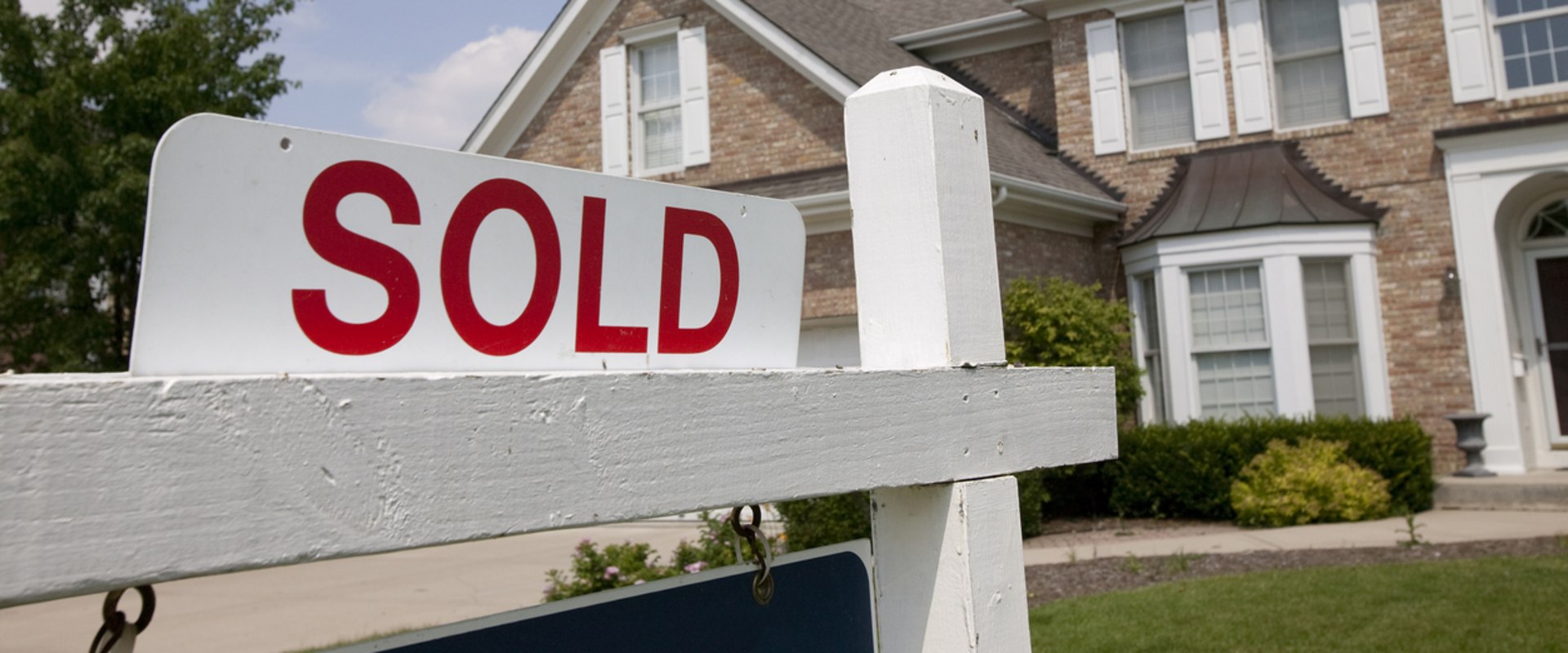
In the realm of real estate, effective marketing is paramount, and one of the most powerful tools at your disposal is real estate signage. These signs serve as a direct line of communication between property owners and potential buyers or tenants, conveying essential information in a visually appealing manner. Whether you are showcasing a residential home, a commercial space, or a rental property, the right signage can significantly enhance visibility and attract interest. Understanding the nuances of property signage is crucial for anyone looking to make an impact in this competitive market. The importance of signage cannot be overstated.
It acts as a beacon for prospective clients, guiding them to your property and providing them with key details at a glance. A well-designed sign not only informs but also creates an impression of professionalism and credibility. In an age where first impressions are often made in seconds, having eye-catching and informative signage can be the difference between a potential buyer stopping to inquire or simply passing by. This is especially true in bustling areas like Anaheim, where competition is fierce and every opportunity counts. Moreover, real estate signage encompasses a variety of formats, each serving distinct purposes.
From traditional yard signs that announce properties for sale to digital displays that can showcase dynamic content, the options are vast. Understanding these different types of signage and their specific applications will empower you to choose the most effective solutions for your marketing strategy. As we delve deeper into this topic, we will explore the various types of real estate and property signage available, their unique benefits, and how they can be leveraged to maximize your marketing efforts. From traditional yard signs that announce properties for sale to digital displays that can showcase dynamic content, the options are vast. Understanding these different types of signage and their specific applications will empower you to choose the most effective solutions for your marketing strategy. As we delve deeper into this topic, we will explore the various types of real estate and property signage available, their unique benefits, and how they can be leveraged to maximize your marketing efforts.
The Role of Yard Signs in Real Estate Marketing
Yard signs are a fundamental component of real estate marketing, serving as a direct line of communication between sellers and potential buyers. These signs not only announce the availability of a property but also play a crucial role in creating a memorable first impression.When designed and placed effectively, yard signs can significantly enhance visibility and attract interested parties.
Benefits of Yard Signs
- Cost-Effective Advertising: Yard signs are relatively inexpensive compared to other forms of advertising, making them an ideal choice for real estate agents and property owners on a budget.
- Immediate Visibility: Positioned prominently in front of a property, yard signs can capture the attention of passersby, including those who may not be actively searching for a home.
- Local Targeting: Since yard signs are placed directly at the property location, they effectively target local buyers who are familiar with the area.
- Brand Recognition: Custom yard signs featuring your logo and branding elements help establish your identity in the market, making it easier for potential clients to remember you.
Design Tips for Effective Yard Signs
The design of your yard sign is critical to its effectiveness. Here are some essential tips to consider:
- Clear Messaging: Use concise language that clearly states the property's status (e.g., "For Sale," "Open House") along with contact information. Avoid cluttering the sign with too much text.
- Bold Colors: Choose colors that stand out against the background. Bright colors can draw attention, while contrasting text ensures readability from a distance.
-
High-Quality Materials: Invest in durable materials that can withstand outdoor conditions.
Weather-resistant signs maintain their appearance longer and convey professionalism.
- Include Visuals: Incorporating images or graphics, such as a photo of the property or your logo, can make the sign more appealing and informative.
Placement Strategies
The placement of your yard sign is just as important as its design. Here are some strategies to maximize visibility:
- Optimal Location: Position the sign where it is easily visible from the street, ideally at eye level. Avoid placing it too close to trees or bushes that could obstruct views.
- Avoid Clutter: Ensure that your sign stands out by placing it away from other signage or distractions. A clear line of sight will help draw attention to your message.
-
Consider Traffic Flow: Place signs where they will be seen by both pedestrians and drivers.
Consider local traffic patterns to determine the best angles for visibility.
Banners and Their Impact on Property Promotion
Banners are a powerful tool in the realm of real estate marketing, offering a versatile and visually appealing way to promote properties and events. Their effectiveness lies in their ability to capture attention quickly, making them ideal for temporary promotions and special events. One of the primary advantages of using banners for real estate is their flexibility. Whether you are hosting an open house, announcing a new property listing, or promoting a limited-time offer, banners can be tailored to fit your specific needs.They can be easily installed in various locations, such as front yards, along busy streets, or at community events, ensuring maximum visibility. When designing promotional banners, there are several key factors to consider:
- Clear Messaging: Your banner should convey a concise message that is easy to read at a glance. Use large fonts and limit the amount of text to essential information such as "For Sale," "Open House," or special pricing.
- Eye-Catching Colors: Choose colors that stand out but also align with your brand identity. Bright colors can attract attention, while complementary colors can enhance readability.
- High-Quality Images: Incorporate high-resolution images of the property or relevant graphics. Visuals can significantly enhance the appeal of your banner and draw in potential buyers.
- Call to Action: Include a clear call to action, such as "Call Now" or "Visit Our Website," to encourage immediate engagement from viewers.
Here are some tips for effective placement:
- High Traffic Areas: Position your banners in locations with high foot or vehicle traffic to ensure they reach a larger audience.
- Visibility: Ensure that your banner is not obstructed by trees, buildings, or other signs. It should be easily visible from a distance.
- Event-Specific Locations: If you are promoting an event, place banners at strategic points where attendees will gather, such as entrances or registration areas.
Digital Signage: The Future of Real Estate Advertising
In the rapidly evolving landscape of real estate advertising, digital signage has emerged as a game-changer.Unlike traditional static signs, digital signs offer dynamic capabilities that can significantly enhance the visibility and appeal of properties. These signs can display a variety of content, including images, videos, and animations, allowing real estate agents to showcase properties in a more engaging manner. One of the primary benefits of digital signs is their ability to update content in real-time. This means that if a property’s status changes—such as being sold or having a price reduction—agents can instantly modify the displayed information without the need for physical replacements. This flexibility not only saves time but also ensures that potential buyers always receive the most current information. Moreover, digital signage can be programmed to run targeted advertisements based on the time of day or specific audience demographics.
For instance, during peak traffic hours, a sign could highlight open houses or special promotions, while at quieter times, it might display general property listings. This level of customization allows real estate professionals to maximize their marketing efforts and reach potential clients more effectively.
Interactive signage
is another exciting aspect of digital displays. By incorporating touch screens or QR codes, potential buyers can engage directly with the content. They can explore virtual tours of properties, view detailed floor plans, or even schedule appointments—all from the convenience of the sign itself.
This interactivity not only enhances user experience but also fosters a deeper connection between clients and listings. Furthermore, digital signage can be strategically placed in high-traffic areas such as shopping centers or busy intersections, ensuring maximum exposure for listings. The eye-catching nature of moving images and vibrant colors draws attention more effectively than traditional signs, making it easier to capture the interest of passersby. In conclusion, as technology continues to advance, embracing digital signage in real estate advertising is not just an option; it’s becoming a necessity. With its dynamic capabilities, real-time updates, and interactive features, digital signage offers unparalleled opportunities for engaging potential clients and showcasing properties in an innovative way.
Choosing the Right Sign Maker in Anaheim
When it comes to creating effective real estate and property signage, selecting the right sign maker in Anaheim is crucial. The quality of your signage can significantly impact your marketing efforts, so it’s essential to choose a provider that meets your specific needs.Here are some key factors to consider when choosing a sign maker:
- Quality of Materials: The durability and appearance of your signs depend heavily on the materials used. Look for a sign maker that offers high-quality materials that can withstand the elements, especially if your signs will be displayed outdoors.
- Customization Options: Every property is unique, and your signage should reflect that. A reputable sign maker should provide a range of customization options, including size, shape, color, and design. This flexibility allows you to create signage that aligns with your brand identity and effectively communicates your message.
-
Portfolio of Work: Before making a decision, review the sign maker's portfolio.
This will give you insight into their design capabilities and the quality of their previous work. Look for examples that resonate with your vision for your own signage.
- Customer Service: Excellent customer service is vital in ensuring a smooth process from start to finish. Choose a sign maker who is responsive to inquiries, willing to collaborate on designs, and provides clear communication throughout the project.
- Turnaround Time: Depending on your marketing strategy, you may need your signs completed quickly. Inquire about the typical turnaround time for projects and ensure it aligns with your timeline.
-
Reviews and Testimonials: Research online reviews and testimonials from previous clients.
Positive feedback can indicate reliability and quality service, while negative reviews may raise red flags about potential issues.
Best Practices for Effective Real Estate Signage
Creating effective real estate signage is essential for capturing the attention of potential buyers and making a lasting impression. Here are some best practices to consider when designing your signs:-
Prioritize Clarity: Ensure that your message is clear and easy to read. Use large fonts and limit the amount of text to essential information.
A good rule of thumb is to keep it simple—include the property type, price, and contact information.
- Choose Contrasting Colors: Select colors that stand out against the background. High contrast between text and background colors enhances readability from a distance. For example, white text on a dark blue background can be very effective.
- Incorporate Branding: Include your logo and brand colors to create a cohesive look across all your marketing materials. This not only helps in building brand recognition but also adds a professional touch to your signage.
-
Utilize High-Quality Images: If applicable, use high-resolution images of the property or its key features.
Visuals can significantly enhance interest and engagement, making your sign more appealing.
- Optimize for Location: Consider where the sign will be placed. Ensure it is positioned at eye level and in a location where it can be easily seen by passing traffic. Avoid placing signs in areas with obstructions that could block visibility.
- Highlight Unique Features: Focus on what makes the property special. Whether it’s a spacious backyard, modern kitchen, or proximity to schools, make sure these features are prominently displayed on your sign.
- Create Urgency: Phrases like "Just Listed" or "Open House This Weekend" can create a sense of urgency that encourages potential buyers to take action quickly.
-
Use Lighting: If your signs will be displayed in low-light conditions, consider adding lighting elements.
Illuminated signs can significantly increase visibility during evening hours.
- Regular Maintenance: Keep your signs clean and in good condition. A well-maintained sign reflects professionalism and care for the property being marketed.
FAQs About Real Estate Signage
When it comes to real estate signage, many questions arise regarding regulations, materials, and maintenance. Below are some of the most frequently asked questions that can help clarify these concerns.What are the common regulations for real estate signage?
Real estate signage regulations can vary significantly by location, so it’s essential to check with your local zoning office or homeowners association (HOA). However, some common regulations include:-
Size Restrictions: Many municipalities have specific size limits for yard signs.
Typically, residential signs should not exceed a certain square footage.
- Placement Guidelines: Signs must often be placed a certain distance from the road or property line to ensure they do not obstruct visibility or traffic.
- Time Limits: Some areas impose time limits on how long a sign can remain in place, especially for temporary signs like open house announcements.
- Permits: In some jurisdictions, you may need a permit to display a sign, particularly if it is larger than standard sizes.
What materials are commonly used for real estate signs?
The choice of materials for real estate signage can impact durability and appearance. Common materials include:- Corrugated Plastic: Lightweight and weather-resistant, this material is popular for yard signs due to its affordability and ease of customization.
- Aluminum: Known for its durability, aluminum signs are ideal for long-term use and can withstand various weather conditions without fading.
- Wood: While more traditional, wooden signs offer a rustic charm but may require more maintenance to prevent rot and wear.
- Vinyl Banners: These are excellent for temporary promotions and can be easily rolled up and stored when not in use.
How do I maintain my real estate signs?
Proper maintenance of your real estate signage ensures that it remains effective and visually appealing. Here are some tips:- Regular Cleaning: Dust and dirt can accumulate on signs, so regular cleaning with mild soap and water will keep them looking fresh.
- Check for Damage: Periodically inspect your signs for any damage or wear. Replace or repair any signs that show significant deterioration.
- Seasonal Adjustments: Depending on the season, you may need to adjust the placement of your signs to ensure they remain visible and effective.
Conclusion: The Importance of Strategic Signage in Real Estate Success
In the realm of real estate, the significance of strategic signage cannot be overstated.Throughout this article, we have explored various facets of real estate and property signage, emphasizing how effective signage can be a game-changer in attracting potential buyers and tenants. As we conclude, let’s recap the essential points that highlight the importance of signage in your marketing strategy. First and foremost, signage serves as a visual ambassador for your brand. Whether it’s a yard sign announcing an open house or a banner promoting a special sale, these signs communicate your message to the public. They not only inform but also create an impression that can influence a buyer's perception of your property.
A well-designed sign can convey professionalism and attention to detail, which are critical in building trust with potential clients. Moreover, the versatility of signage types—from yard signs to digital displays —allows real estate professionals to tailor their marketing efforts to specific audiences and situations. For instance, while yard signs are excellent for local visibility, digital signs can engage tech-savvy buyers with dynamic content. This adaptability ensures that you can reach a broader audience effectively. Additionally, strategic placement of signs is crucial. Signs should be positioned where they can capture the attention of passersby without being intrusive.
This means considering factors such as traffic patterns and visibility from different angles. Properly placed signage not only enhances visibility but also increases the likelihood of inquiries about your properties. Finally, it’s essential to remember that signage is not just about aesthetics; it’s also about functionality. Clear and concise messaging is vital. Potential buyers should be able to quickly understand what is being offered and how to get in touch with you.
This clarity can significantly impact lead generation and conversion rates. In conclusion, investing in high-quality, strategically designed signage is an integral part of any successful real estate marketing strategy. By leveraging the insights shared in this article, you can enhance your visibility in the competitive market of Anaheim and beyond. Remember, effective signage is not merely an accessory; it is a fundamental component that can drive your real estate success.