Comprehensive Guide to Weatherproofing Materials for Outdoor Signs in Anaheim
Discover essential weatherproofing materials for outdoor signs in Anaheim. Ensure durability and longevity with our comprehensive guide.
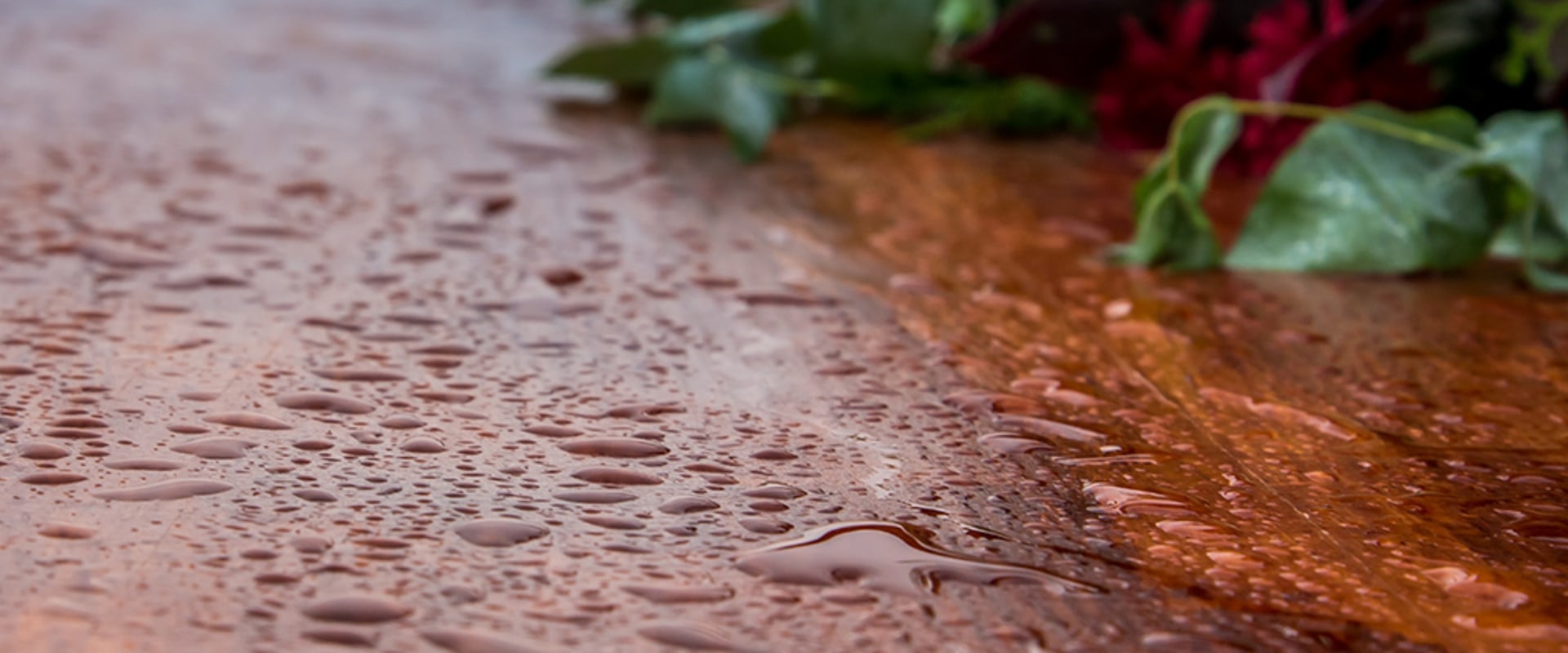
When it comes to outdoor signage, the importance of weatherproofing cannot be overstated. Outdoor signs are constantly exposed to a variety of environmental factors, including rain, wind, sunlight, and extreme temperatures. Without proper weatherproofing, these signs can suffer from significant damage over time, leading to fading colors, peeling materials, and even structural failure. This not only detracts from the visual appeal of Back Lit Channel Letters Orange County Ca.Back Lit Channel Letters Orange County Ca. but can also hinder its effectiveness in conveying your message to potential customers.
Just as window treatments enhance the aesthetics and functionality of indoor spaces, investing in high-quality weatherproofing materials is essential for ensuring the durability and longevity of your Just as window treatments enhance the aesthetics and functionality of indoor spaces, investing in high-quality weatherproofing materials is essential for ensuring the durability and longevity of your Back Lit Channel Letters Orange County Ca. outdoor signs. The right materials can protect against moisture intrusion, UV radiation, and temperature fluctuations, allowing your signage to maintain its integrity and appearance for years. For businesses in particular, a well-maintained sign reflects professionalism and commitment to quality, which can enhance brand reputation and customer trust. Moreover, weatherproofing offers several benefits beyond mere protection. It can significantly reduce maintenance costs by minimizing the need for frequent repairs or replacements. By choosing durable materials that withstand harsh conditions, you can save both time and money in the long run.
Additionally, weatherproofed signs often come with warranties that guarantee their performance over extended periods, providing peace of mind for business owners. In summary, understanding the importance of weatherproofing for outdoor signs is crucial for anyone looking to invest in effective signage solutions. By prioritizing durability and longevity through proper weatherproofing techniques, you ensure that your outdoor signs not only look great but also serve their intended purpose effectively.
Types of Outdoor Signs That Require Weatherproofing
When it comes to outdoor signage, understanding the different types of signs that require weatherproofing is essential for ensuring their longevity and effectiveness. Each type of sign has unique characteristics and exposure levels to environmental elements, necessitating specific weatherproofing solutions. Below are some of the most common types of outdoor signs and their weatherproofing needs.-
Custom Signs
Custom signs are tailored to meet specific branding needs and can be made from various materials such as aluminum, acrylic, or PVC.Given their often prominent placement, these signs must be weatherproofed to resist moisture and UV rays. Choosing high-quality materials ensures that the sign maintains its appearance and message over time, even in harsh weather conditions.
-
Digital Signs
Digital signs utilize LED technology to display dynamic content. However, they are particularly vulnerable to environmental factors like rain and humidity. Effective weatherproofing for digital signs often involves protective casings and coatings that shield electronic components from moisture while allowing for visibility and functionality. -
Banners
Banners are a popular choice for temporary advertising and events.Typically made from vinyl or mesh materials, they need to be weather-resistant to withstand wind and rain. Proper installation is also crucial; banners should be securely fastened to prevent damage during storms or high winds.
-
Yard SignsYard Signs
Commonly used for political campaigns or real estate promotions, yard signs are usually constructed from corrugated plastic or aluminum. These materials are inherently durable but still require weatherproofing treatments to prevent fading and warping due to sun exposure and moisture. -
Vehicle Wraps
Vehicle wraps transform cars into mobile advertisements. Made from specialized vinyl, these wraps must be designed to endure outdoor conditions, including rain and UV exposure.Regular maintenance is essential to ensure the wrap remains intact and visually appealing over time.
Common Weatherproofing Materials for Outdoor Signs
When it comes to weatherproofing outdoor signs, selecting the right materials is essential for ensuring durability and longevity. Here are some of the most common materials used for weatherproofing, along with their properties and suitability for various sign types.-
Vinyl: Vinyl is a popular choice for outdoor signs due to its excellent resistance to moisture and UV rays. It is flexible, making it suitable for banners and graphics that need to withstand wind and rain.
Vinyl can be printed with vibrant colors and is available in various thicknesses, allowing for customization based on the specific needs of the sign.
- Aluminum: Aluminum is a lightweight yet sturdy material that offers exceptional durability. It is resistant to rust and corrosion, making it ideal for long-term outdoor use. Aluminum signs can be finished with various coatings to enhance their weather resistance and aesthetic appeal. This material is particularly well-suited for directional signs, business signage, and real estate signs.
-
Acrylic: Acrylic is a versatile plastic that provides a glass-like appearance while being much lighter and shatter-resistant.
It offers good UV resistance, which helps prevent fading over time. Acrylic is often used for illuminated signs and displays due to its clarity and ability to transmit light effectively. However, it may not be as impact-resistant as other materials, so careful consideration of its application is necessary.
-
PVC (Polyvinyl Chloride): PVC is another durable option for outdoor signage. It is lightweight, resistant to moisture, and can withstand a range of temperatures without warping or cracking.
PVC is often used for yard signs, promotional displays, and temporary signage due to its affordability and ease of installation.
Choosing the Right Weatherproofing Materials
When it comes to selecting the right weatherproofing materials for your outdoor signs, several critical factors must be taken into account. Making informed choices can significantly enhance the durability and effectiveness of your signage, ensuring it withstands the elements while maintaining its visual appeal.1.Location and Environment
-
Geographical Considerations: The geographical location of your sign plays a pivotal role in determining the appropriate materials.
For instance, coastal areas may experience high humidity and salt exposure, necessitating materials that resist corrosion.
- Urban vs. Rural: Signs in urban settings may face pollution and higher foot traffic, while rural signs might contend with wildlife or agricultural elements. Understanding these differences can guide your material selection.
2.Climate Conditions
- Temperature Extremes: If your sign will be exposed to extreme temperatures, consider materials that can withstand both heat and cold without warping or cracking. For example, aluminum is known for its resilience in varying temperatures.
- Precipitation Levels: In areas with heavy rainfall or snowfall, opt for waterproof materials like vinyl or treated wood that can resist moisture damage.
-
UV Exposure: Signs placed in direct sunlight require UV-resistant coatings to prevent fading and discoloration over time.
Acrylic and certain vinyls are excellent choices for this purpose.
3.Type of Sign
- Permanent vs. Temporary: Permanent signs may benefit from more robust materials like metal or high-density plastic, while temporary signs can utilize lighter materials like corrugated plastic or fabric.
- Sign Functionality: Consider the purpose of your sign. For example, digital signs require specific weatherproofing to protect electronic components from moisture and dust.
4.Budget Considerations
- Initial Investment vs. Long-Term Savings: While high-quality weatherproofing materials may come with a higher upfront cost, they often save money in the long run by reducing maintenance and replacement needs.
- Cost-Effective Options: Research various suppliers to find competitive pricing on durable materials without compromising quality.
Consulting with a professional sign maker in Anaheim can also provide valuable insights tailored to your specific needs.
Application Techniques for Weatherproofing Outdoor Signs
When it comes to weatherproofing outdoor signs, the application techniques you choose can significantly impact the effectiveness of the materials used. Proper installation not only enhances the durability of your signs but also ensures they maintain their visual appeal over time. Here are some essential application methods and tips for effectively weatherproofing your outdoor signage.1.Surface Preparation
Before applying any weatherproofing material, it is crucial to prepare the surface of your sign. This step involves:-
Cleaning: Remove any dirt, dust, or grease from the surface using a mild detergent and water.
Allow it to dry completely.
- Sanding: For wooden signs, lightly sand the surface to create a smooth texture that helps the weatherproofing material adhere better.
- Priming: If you are using paint or a sealant, consider applying a primer first to enhance adhesion and provide an additional layer of protection.
2.Application Techniques
Depending on the type of weatherproofing material you are using, different application techniques may be required:- Spraying: For coatings and sealants, using a spray gun can provide an even application. Ensure you follow the manufacturer's instructions regarding distance and number of coats.
- Brushing: A high-quality brush can be used for applying paints or varnishes. This method allows for more control and is ideal for intricate designs.
- Rolling: For larger surfaces, a roller can expedite the application process while ensuring an even coat.
3.Curing and Drying
After applying your weatherproofing material, allow sufficient time for it to cure or dry completely. This step is vital for achieving maximum protection:- Follow Manufacturer Guidelines: Each product will have specific drying times; adhere to these recommendations to ensure optimal performance.
- Avoid Moisture: Keep the sign in a dry area during the curing process to prevent moisture from compromising the finish.
4.Regular Maintenance
Even with proper weatherproofing, regular maintenance is essential to prolong the life of your outdoor signs.Inspect them periodically for any signs of wear or damage and reapply weatherproofing materials as needed. By following these application techniques and installation tips, you can ensure that your outdoor signs remain protected against harsh weather conditions while effectively conveying your message for years to come.
Addressing Common Concerns About Weatherproofing Materials
When it comes to weatherproofing materials for outdoor signs, several misconceptions and concerns often arise. Addressing these issues is essential for making informed decisions about the longevity and effectiveness of your signage. Below, we tackle some of the most common myths and questions regarding weatherproofing materials.Common Myths About Weatherproofing
-
Myth: All weatherproofing materials are identical. Many people believe that any weatherproofing solution will provide the same level of protection. In reality, different materials offer varying degrees of durability and resistance to environmental factors.
For instance, vinyl may be suitable for banners, while aluminum is better for long-term outdoor signs.
- Myth: Weatherproofing is unnecessary for covered areas. Even if a sign is placed under a shelter, it can still be exposed to UV rays and temperature fluctuations. Weatherproofing helps maintain the sign's integrity and appearance over time, regardless of its location.
- Myth: Weatherproofing materials will dull my sign's appearance. This concern is common, but modern weatherproofing solutions are designed to enhance rather than detract from a sign's visual appeal. Many coatings can provide a glossy finish that makes colors pop while offering protection against fading.
Frequently Asked Questions
- FAQ: How long does weatherproofing last? The lifespan of weatherproofing materials varies based on factors such as the type of material used and environmental exposure. High-quality materials installed correctly can last several years, ensuring your sign remains effective and attractive.
-
FAQ: Can I use any material for outdoor signs? Not all materials are suitable for outdoor use.
Materials like paper or cardboard are prone to damage from moisture and UV exposure. Opt for durable options like aluminum, PVC, or acrylic that are specifically designed for outdoor conditions.
- FAQ: Will weatherproofing increase my overall costs? While investing in quality weatherproofing may raise initial costs, it can save you money in the long run by reducing the need for frequent repairs or replacements due to weather damage.
Maintaining Your Weatherproofed Outdoor Signs
Maintaining your weatherproofed outdoor signs is essential for ensuring their longevity and effectiveness. Even the most durable materials can suffer from neglect, leading to a decrease in visibility and overall appeal.Here are some practical tips to help you care for your outdoor signs and prolong their life.
Regular Cleaning
One of the simplest yet most effective ways to maintain your outdoor signs is through regular cleaning. Dust, dirt, and grime can accumulate over time, obscuring your sign's message and diminishing its visual impact. Here are some cleaning tips:- Use Mild Detergents: When cleaning your sign, opt for a mild detergent mixed with water. Avoid harsh chemicals that can damage the weatherproofing materials.
-
Soft Cloths or Sponges: Use a soft cloth or sponge to gently wipe down the surface.
This prevents scratching and ensures that the sign's finish remains intact.
- Rinse Thoroughly: After cleaning, rinse the sign with clean water to remove any soap residue, which can leave streaks or attract more dirt.
Inspecting for Damage
Regular inspections are crucial for identifying any potential issues before they escalate. Here’s what to look for:- Check for Cracks or Peeling: Examine the edges and corners of your sign for any signs of cracking or peeling paint. These areas are often more susceptible to damage.
- Look for Fading: Over time, UV rays can cause colors to fade. If you notice significant fading, it may be time to consider a touch-up or replacement.
-
Secure Mountings: Ensure that all mounting hardware is secure.
Loose screws or brackets can lead to instability, especially in windy conditions.
Seasonal Maintenance
Different seasons can pose unique challenges for outdoor signs. Here are some seasonal maintenance tips:- Winter Precautions: In areas prone to snow or ice, consider removing your sign during harsh winter months to prevent damage from heavy snow accumulation.
- Summer Care: During hot summer months, check for warping or melting, especially if your sign is made from plastic materials.
Conclusion: Ensuring Longevity with Proper Weatherproofing Techniques
In summary, the significance of weatherproofing materials for outdoor signs cannot be overstated. These materials serve as a protective barrier against the elements, ensuring that your signage remains vibrant and effective over time.By investing in quality weatherproofing solutions, you not only enhance the durability of your signs but also safeguard your investment against the costly consequences of weather-related damage. Throughout this article, we have explored various types of weatherproofing materials, including vinyl, aluminum, acrylic, and PVC. Each material offers unique benefits tailored to different environmental conditions and sign types. For instance, aluminum is renowned for its strength and resistance to rust, making it ideal for long-term outdoor use. On the other hand, vinyl is lightweight and flexible, perfect for banners that need to withstand wind without tearing. Moreover, we discussed the importance of considering factors such as location, climate, and intended use when selecting weatherproofing materials.
A thorough understanding of these elements will help you make informed decisions that align with your specific needs. As you care for your outdoor signs, remember that regular maintenance is key to prolonging their lifespan. This includes periodic inspections for wear and tear, cleaning to remove dirt and debris, and timely repairs to address any damage before it worsens. Ultimately, the choice of quality materials plays a crucial role in the effectiveness of your outdoor signage. By opting for high-quality weatherproofing solutions from a reputable sign maker in Anaheim, you can ensure that your signs not only withstand the test of time but also continue to convey your message clearly and attractively. In conclusion, investing in proper weatherproofing techniques is essential for maintaining the integrity and appearance of your outdoor signs. With the right materials and care, you can enjoy long-lasting signage that effectively promotes your business or message while standing resilient against nature's challenges.