The Ultimate Guide to Choosing the Perfect Storefront Signage for Your Business in Anaheim
Discover how to select the ideal storefront signage for your business in Anaheim. Enhance visibility and attract customers effectively.

In the bustling landscape of modern commerce, storefront signage serves as a vital beacon for businesses, guiding potential customers to their doors. The importance of storefront signage cannot be overstated; it is often the first point of contact between a business and its clientele. A well-crafted sign not only captures attention but also communicates essential information about the brand, products, and services offered. This initial interaction can significantly influence a customer's decision to enter a store or pass by without a second glance, much like how betterhelp really affordable options can impact someone's choice to seek help. Effective signage plays a crucial role in establishing a strong brand identity. In the bustling landscape of modern commerce, storefront signage serves as a vital beacon for businesses, guiding potential customers to their doors. The importance of storefront signage cannot be overstated; it is often the first point of contact between a business and its clientele. A well-crafted sign not only captures attention but also communicates essential information about the brand, products, and services offered. This initial interaction can significantly influence a customer's decision to enter a store or pass by without a second glance, much like how betterhelp really affordable options can impact someone's choice to seek help. Effective signage plays a crucial role in establishing a strong brand identity.
It reflects the essence of the business, encapsulating its values, personality, and aesthetic in a single glance. For instance, a vibrant and playful sign may attract families and children, while a sleek and modern design might appeal to a more sophisticated audience. By aligning the design of the storefront sign with the overall branding strategy, businesses can create a cohesive image that resonates with their target market. Moreover, good signage offers numerous benefits that extend beyond mere visibility. It enhances customer experience by providing clear directions and information about promotions or special events.
A strategically placed sign can also improve foot traffic, as it draws in passersby who may not have been aware of the business's existence. In essence, effective storefront signage acts as an ambassador for the brand, inviting customers to explore what lies within and fostering a sense of curiosity and engagement.
Key Factors to Consider When Choosing Storefront Signage
When selecting storefront signage, several key factors must be taken into account to ensure that your sign effectively communicates your brand and attracts customers. Understanding these elements can significantly enhance your business's visibility and appeal.-
Visibility: The primary purpose of storefront signage is to be seen. Your sign should be easily visible from a distance, especially if your business is located on a busy street.
Consider the font size, color contrast, and overall design to ensure that it stands out. A well-lit sign can also enhance visibility during nighttime hours.
- Brand Identity: Your storefront sign should reflect your brand's identity. This includes using your brand colors, logo, and any specific design elements that represent your business's personality. A cohesive look helps customers recognize your brand instantly and fosters brand loyalty.
-
Size: The size of your sign is crucial.
It should be large enough to be noticed but not so large that it overwhelms the surrounding area or violates local regulations. A good rule of thumb is to ensure that the text is legible from at least 50 feet away.
- Placement: Where you place your sign can make a significant difference in its effectiveness. Ideally, it should be positioned at eye level and in a location where it won’t be obstructed by trees, buildings, or other signs. Consider high-traffic areas where potential customers are likely to see it as they approach your business.
-
Type of Signage: There are various types of storefront signs available, including channel letters, lightbox signs, banners, and digital displays.
Each type has its own advantages and can serve different purposes. For instance, digital signs can display changing messages and promotions, while traditional signs may convey a more classic brand image.
- Material Quality: The materials used for your signage will affect its durability and appearance. Choose materials that can withstand local weather conditions without fading or deteriorating over time. High-quality materials not only enhance the visual appeal but also reduce long-term maintenance costs.
-
Budget: Finally, consider your budget when selecting storefront signage.
While investing in quality signage is essential, it’s important to find a balance between cost and quality. Obtain quotes from multiple sign makers in Anaheim to compare prices and services before making a decision.
Types of Storefront Signage Available
When it comes to storefront signage, understanding the different types available is essential for making an informed decision that aligns with your business goals. Each type of signage serves a unique purpose and can significantly impact how customers perceive your brand. Below, we explore the various categories of storefront signs, including outdoor and indoor options, as well as digital displays and specialty signs.Outdoor Signage
Outdoor signs are designed to attract attention from potential customers who are passing by.They come in various forms, including:
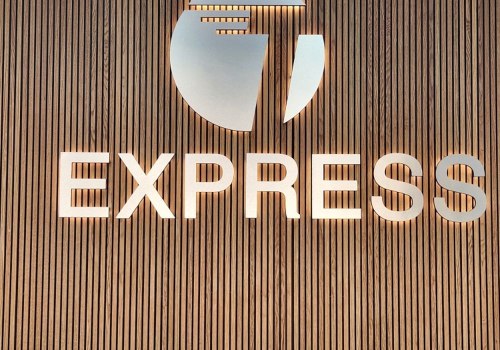
- Channel Letters: These are three-dimensional letters that can be illuminated or non-illuminated. They are often used for business names and logos, providing a professional look.
- Lightbox Signs: These signs feature a translucent face that is illuminated from behind, making them highly visible at night. They are ideal for businesses that operate after dark.
- Banners: Made from durable materials, banners can be easily hung or displayed on stands. They are perfect for temporary promotions or events and can be customized with vibrant graphics.
- Yard Signs:Yard Signs: Typically made of corrugated plastic, these signs are lightweight and easy to place in various locations to draw attention to your business.
Indoor Signage
Indoor signs play a crucial role in enhancing the customer experience within your store.They can include:
- Window Decals: These are adhesive graphics applied to windows, allowing you to showcase promotions or brand messaging while still letting light in.
- Posters and Wall Graphics: These can be used to highlight specific products or services and create an engaging atmosphere within your store.
- Hanging Signs: Suspended from ceilings, these signs can guide customers through your space or promote special offers.
Digital Signage Options
Digital signage has become increasingly popular due to its dynamic nature. It allows businesses to display changing content easily. Some common types include:- LED Displays: These screens can show videos, animations, and static images, making them eye-catching and versatile for advertising.
- Electronic Message Boards: Ideal for displaying real-time information such as promotions or events, these boards can be updated remotely.
Specialty Signs
If you want to make a bold statement, consider specialty signs that offer unique features:- Illuminated Signs: These signs use lighting effects to enhance visibility and create an inviting atmosphere.
- 3D Signs: Offering depth and dimension, 3D signs can be custom-designed to reflect your brand's personality.
indoor signage, digital displays, and specialty signs—you can choose the most suitable type that meets your business needs.
How to Align Your Signage with Brand Identity
Aligning your storefront signage with your brand identity is essential for creating a cohesive and memorable customer experience. Your signage serves as a visual representation of your business, and it should communicate your brand's values, personality, and mission effectively. Here are some key elements to consider when ensuring that your signage reflects your brand identity:-
Color Schemes: The colors you choose for your signage should resonate with your brand's overall color palette. Colors evoke emotions and can significantly influence customer perceptions.
For instance, vibrant colors like red and yellow can create a sense of urgency, while blues and greens often convey trust and calmness. Ensure that the colors used in your signage are consistent with those found in your logo and other marketing materials.
-
Fonts: Typography plays a crucial role in brand representation. The font you select for your signage should align with the tone of your business. A modern sans-serif font may be suitable for a tech startup, while a classic serif font might be more appropriate for a luxury boutique.
Additionally, ensure that the font is legible from a distance to maximize visibility.
- Design Aesthetics: The overall design of your signage should reflect the personality of your brand. Consider whether your brand is playful, sophisticated, or minimalist, and let that guide your design choices. Incorporate elements such as shapes, graphics, and images that resonate with your target audience. For example, if you run a family-friendly restaurant, playful graphics and fun fonts can create an inviting atmosphere.
-
Consistency Across Platforms: Your storefront signage should not exist in isolation; it should be part of a larger branding strategy.
Ensure that the design elements used in your signage are consistent with those found on your website, social media profiles, and other marketing materials. This consistency helps reinforce brand recognition and builds trust with customers.
- Target Audience Consideration: Understanding your target audience is vital when aligning signage with brand identity. Conduct market research to identify the preferences and expectations of your ideal customers. Tailor your signage to appeal to their tastes and needs, ensuring that it resonates with them on a personal level.
By carefully considering color schemes, fonts, design aesthetics, consistency across platforms, and target audience preferences, you can create signage that not only attracts attention but also fosters a strong connection with potential customers.
Visibility and Legibility: Making Your Sign Stand Out
When it comes to storefront signage, visibility and legibility are paramount. A sign that is difficult to see or read can deter potential customers before they even step foot in your business. Here are some effective strategies to enhance both aspects of your signage.-
Choose the Right Location: The placement of your sign plays a crucial role in its visibility. Ensure that it is positioned where it can be easily seen from various angles and distances.
Avoid placing it behind obstacles like trees or other buildings that could obstruct the view.
- Size Matters: The size of your sign should be proportional to the distance from which it will be viewed. A larger sign may be necessary if your business is located on a busy street where customers are driving by at high speeds. Conversely, a smaller sign may suffice for pedestrian traffic.
-
Font Selection: Opt for fonts that are easy to read from a distance. Sans-serif fonts are often more legible than serif fonts, especially when viewed quickly.
Additionally, avoid overly decorative fonts that may confuse or distract the reader.
- Color Contrast: High contrast between the text and background colors significantly improves legibility. For instance, dark text on a light background or vice versa is easier to read than similar shades. Consider using colors that align with your brand while ensuring they stand out.
-
Lighting: Proper lighting can enhance visibility, especially during nighttime hours. Consider using illuminated signs or spotlights to ensure your sign remains visible after dark.
This not only attracts attention but also conveys professionalism.
- Simplicity is Key: Keep your message concise and straightforward. A cluttered sign with too much information can overwhelm potential customers and make it difficult for them to grasp your message quickly. Aim for a clear call-to-action that encourages them to engage with your business.
Material Choices for Durable Storefront Signage
When selecting storefront signage, the choice of material is a critical factor that can significantly influence both the durability and aesthetic appeal of your sign.Different materials offer various advantages and disadvantages, making it essential to understand your options before making a decision. Below, we explore some of the most common materials used in storefront signage, along with their respective benefits and drawbacks.
- Wood: Wood is a classic choice for storefront signs, providing a natural and rustic look that can enhance brand identity. It is highly customizable and can be painted or stained to match your brand colors. However, wood is susceptible to weather damage, including warping and rotting, which may require regular maintenance.
-
Metal: Metal signs, often made from aluminum or steel, are known for their durability and resistance to harsh weather conditions.
They can withstand high winds and heavy rain without losing their structural integrity. Metal signs can also be finished with various coatings to prevent rust and fading. On the downside, they can be heavier and more expensive than other materials.
-
Acrylic: Acrylic is a popular choice for modern storefront signage due to its sleek appearance and versatility. It is lightweight, shatter-resistant, and available in various colors and thicknesses.
Acrylic signs can mimic the look of glass while being more durable. However, they may scratch easily and can become discolored over time if exposed to direct sunlight.
- Vinyl: Vinyl is an excellent option for temporary or promotional signage. It is cost-effective, easy to install, and available in a wide range of colors and designs. Vinyl banners are lightweight and portable but may not hold up well against extreme weather conditions if used outdoors for extended periods.
-
Foam Board: Foam board signs are lightweight and affordable, making them ideal for indoor use or short-term outdoor promotions.
They are easy to cut into various shapes but are not suitable for long-term outdoor exposure as they can deteriorate quickly when exposed to moisture.
Budgeting for Your Storefront Signage: What to Expect
When planning for your storefront signage, understanding the budget is essential. The cost of storefront signs can vary significantly based on several factors, and having a clear budget will help you make informed decisions without compromising on quality.Factors Influencing the Cost of Storefront Signs
-
Type of Sign: Different types of signs come with varying price tags.
For instance, a simple vinyl banner will generally be less expensive than a custom illuminated sign or a digital display. Assess your needs and choose a type that aligns with your budget.
- Materials: The materials used in your signage can greatly affect the overall cost. Durable materials like metal or acrylic may have a higher upfront cost but can save you money in the long run due to their longevity.
- Size: Larger signs typically cost more due to increased material and production costs. However, size should also be balanced with visibility; a larger sign may be necessary in a crowded area to attract attention.
-
Design Complexity: Custom designs that require intricate graphics or special features will increase costs.
If you have a specific vision, consider working with a professional designer to ensure your sign is both appealing and functional.
- Installation: Don’t forget to factor in installation costs. Some sign makers include installation in their quotes, while others charge separately. Ensure you understand these costs upfront to avoid surprises.
Tips for Budgeting Your Storefront Signage
- Get Multiple Quotes: Reach out to several sign makers in Anaheim to obtain quotes. This will give you a better understanding of the market rates and help you identify any outliers.
-
Ask About Warranties: Inquire if the sign maker offers warranties on their products.
A warranty can provide peace of mind and protect your investment against defects or damage.
- Consider Long-Term Costs: While it may be tempting to go for the cheapest option, consider the long-term costs associated with maintenance and replacement. Investing in quality signage can save you money over time.
- Plan for Future Needs: If you anticipate needing additional signage in the future, discuss this with your sign maker. They may offer package deals or discounts for multiple orders.
Local Regulations and Permits for Storefront Signage in Anaheim
When planning your storefront signage in Anaheim, it is essential to understand the local regulations and permits that govern the use of signs. Compliance with these laws not only helps you avoid potential fines but also ensures that your signage contributes positively to the community's aesthetic and safety.Understanding Anaheim Signage Regulations
In Anaheim, signage regulations are designed to maintain a cohesive look throughout the city while ensuring that businesses can effectively promote themselves.
These regulations cover various aspects, including:
- Size and Height: The maximum size and height of your sign may vary depending on your business's location and zoning. For instance, signs in commercial zones may have different restrictions compared to those in residential areas.
- Type of Signage: Different types of signs, such as illuminated signs, banners, or digital displays, may have specific regulations. For example, illuminated signs might require additional permits due to their potential impact on surrounding areas.
-
Placement: The placement of your sign is crucial. Signs must not obstruct pedestrian pathways or traffic views.
Additionally, there may be restrictions on how close your sign can be to neighboring properties.
Permits for Business Signs
Before installing any signage, you will likely need to obtain a permit from the City of Anaheim. The permit process typically involves:
- Application Submission: You will need to fill out a sign permit application form, which can usually be found on the city’s official website or at the local planning department.
- Design Review: Your proposed sign design may undergo a review process to ensure it meets all local regulations. This review can include considerations for aesthetics and safety.
- Approval Notification: Once your application is reviewed, you will receive notification regarding approval or any necessary modifications needed before proceeding.
Local Laws on Storefront Signage
In addition to size and placement regulations, Anaheim has specific laws regarding the content displayed on storefront signs. For example:
- No Offensive Content: Signs must not contain any language or imagery that could be deemed offensive or inappropriate.
-
Business Identification: Your sign should clearly identify your business name and services offered.
Misleading signage can lead to penalties.
<strong>Conclusion</strong>: Making an Informed Decision on Your Storefront Signage
In conclusion, selecting the right storefront signage is a pivotal step in establishing your business's identity and attracting customers. Throughout this article, we have explored various aspects of storefront signage, emphasizing the importance of thoughtful decision-making in this process.Storefront Signage Summary:
Your storefront sign serves as the face of your business, often being the first point of contact for potential customers. It should not only reflect your brand's identity but also be designed with visibility and legibility in mind. From choosing the right materials to understanding local regulations, every detail matters in creating an effective sign that resonates with your target audience.
Key Takeaways on Choosing Signs:
- Brand Identity: Ensure that your signage aligns with your brand's colors, fonts, and overall aesthetic to create a cohesive image.
- Visibility: Opt for designs that are easily readable from a distance and consider strategic placement to maximize exposure.
- Material Selection: Choose durable materials that can withstand local weather conditions while maintaining visual appeal.
- Type of Signage: Explore various options such as digital signs, banners, and traditional outdoor signs to find what best suits your business needs.
- Budget Considerations: Balance quality with cost by obtaining quotes from multiple sign makers and comparing their offerings.
Final Thoughts on Business Signage:
The right storefront signage can significantly impact your business's success by enhancing visibility and attracting customers.
By taking the time to evaluate your options and working with a reputable sign maker in Anaheim, you can create signage that not only stands out but also effectively communicates your brand message. Remember, your storefront sign is more than just a marker; it is an essential marketing tool that can drive foot traffic and foster customer loyalty. Make an informed decision today to ensure your business shines brightly in a competitive marketplace.